WEEK 5 Blog
Raihan Chowdhury
ID: 30097405
Describe the features of each of these business models, on your blog page, giving an example of each.
Brokerage
Advertising
Infomediary
Merchant
Manufacturer (Direct)
Affiliate
Community
Subscription
Utility.
Brokerage
Advertising
Infomediary
Merchant
Manufacturer (Direct)
Affiliate
Community
Subscription
Utility.
Ans:
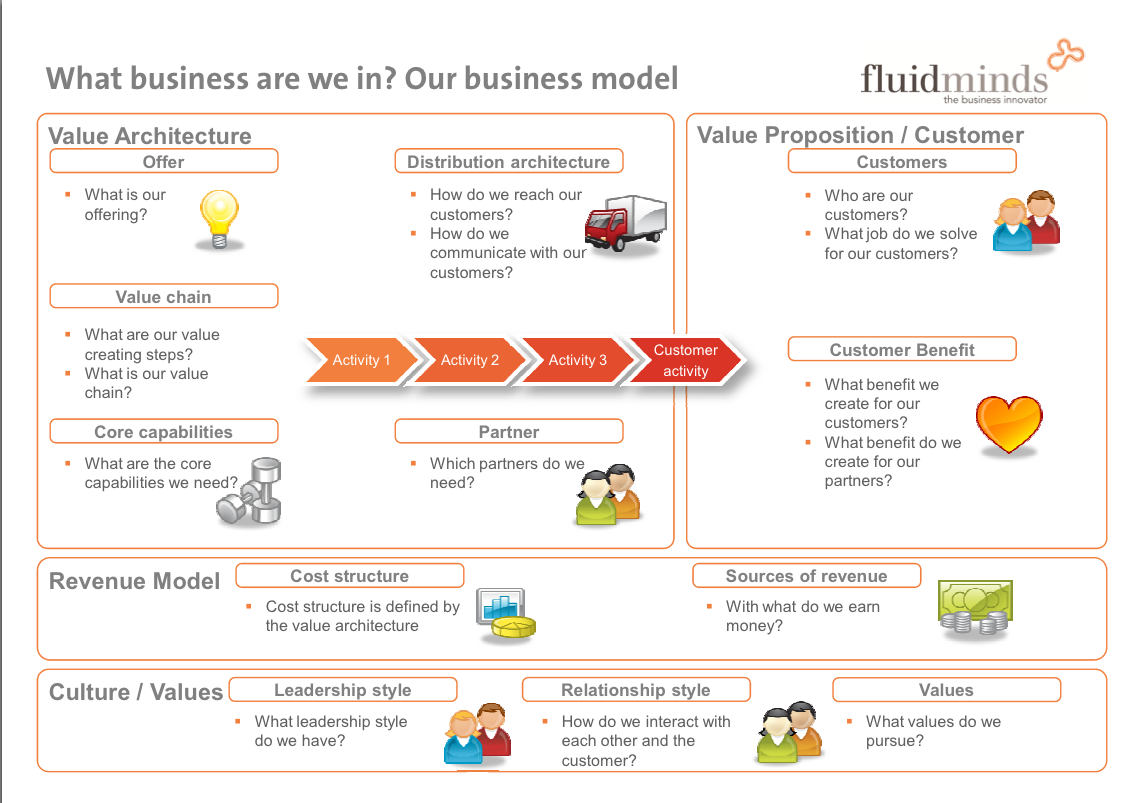 |
| Figure: Business Models |
Brokerage: brokers bring buyers and sellers together and facilitate transactions. Brokers play a frequent role in business-to-business, business-to-consume,or consumer-to-consumer markets. Usually a broker charges a fee or commission for each transaction it enables.
Advertising: the advertising model is an extension of the traditional media broadcast model. The broadcaster, in this case, a web site, provides content and services mixed with advertising messages in the form of banner ads. The banner ads may be the major or sole source of revenue for the broadcaster.
Infomediary data about consumers and their consumption habits are valuable, especially when that information is carefully analyzed and used to target marketing campaigns. Independently collected data about producers and their products are useful to consumers when considering a purchase.
Merchant: wholesalers and retailers of goods and services. Sales may be made based on list prices or through auction.
Manufacturer (Direct): the manufacturer or "direct model", it is predicated on the power of the web to allow a manufacturer to reach buyers directly and thereby compress the distribution channel. The manufacturer model can be based on efficiency, improved customer service, and a better understanding of customer preferences.
Affiliate: the affiliate model, provides purchase opportunities wherever people may be surfing. It does this by offering financial incentives to affiliated partner sites. The affiliates provide purchase-point click-through to the merchant. It is a pay-for-performance model -- if an affiliate does not generate sales, it represents no cost to the merchant.
Community: the community model is based on user loyalty. Users have a high investment in both time and emotion. Revenue can be based on the sale of ancillary products and services or voluntary contributions; or revenue may be tied to contextual advertising and subscriptions for premium services.
Subscription: users are charged a periodic - daily, monthly or annual - fee to subscribe to a service. It is not uncommon for sites to combine free content with "premium" content. Subscription fees are incurred irrespective of actual usage rates.
Utility: The utility or “on-demand” model is based on metering usage, or a "pay as you go" approach. Unlike subscriber services, metered services are based on actual usage rates. Traditionally, metering has been used for essential services. Internet service providers in some parts of the world operate as utilities, charging customers for connection minutes, as opposed to the subscriber model common in the U.S.
Spend some time looking at the Technology report, particularly the country profiles and rankings. Use some of the data analysis tools to answer the following -
VIdeo: Global Information Technology Report, 2011 (Soumitra Dutta)
1.What is the Mobile phone use /100 population - compare Australia, USA, China, India and your chosen country.
Ans:
Australia 113.8
USA 90.8
China 55.5
India 43.8
USA 90.8
China 55.5
India 43.8
Bangladesh 46.0
2. Internet use / 100 population - compare Australia, USA, China, India and your country.
Ans:
Australia 74.3
USA 78.0
China 28.9
India 7.1
USA 78.0
China 28.9
India 7.1
Bangladesh 3.7
3. Compare main strengths and weaknesses of Australia or your home country in the survey.
Ans:
Strengths of Australia:
Intensity and quality of local competition
Availability of scientists and engineers
Extent of staff training
Local supplier quality
Availability of new telephone lines
Prevalence of foreign technology
Firm-level technology absorption
Capacity for innovation
Weaknesses of Australia:
Extent and effect taxation
Residential telephone connection charge
Business telephone connection charge
Intensity and quality of local competition
Availability of scientists and engineers
Extent of staff training
Local supplier quality
Availability of new telephone lines
Prevalence of foreign technology
Firm-level technology absorption
Capacity for innovation
Weaknesses of Australia:
Extent and effect taxation
Residential telephone connection charge
Business telephone connection charge
4. What does the survey suggest to you about the Information Technology readiness of Australian business compared to Australian consumers?
Ans:
The survey suggests the readiness of Australian business is ranked higher in the world. Compared with Information Technology readiness of Australian consumers who rank in the Top 20 in the world. This suggests that Australian businesses are very much Information Technology ready as Australian consumers and other world partners.
Sources:

No comments:
Post a Comment